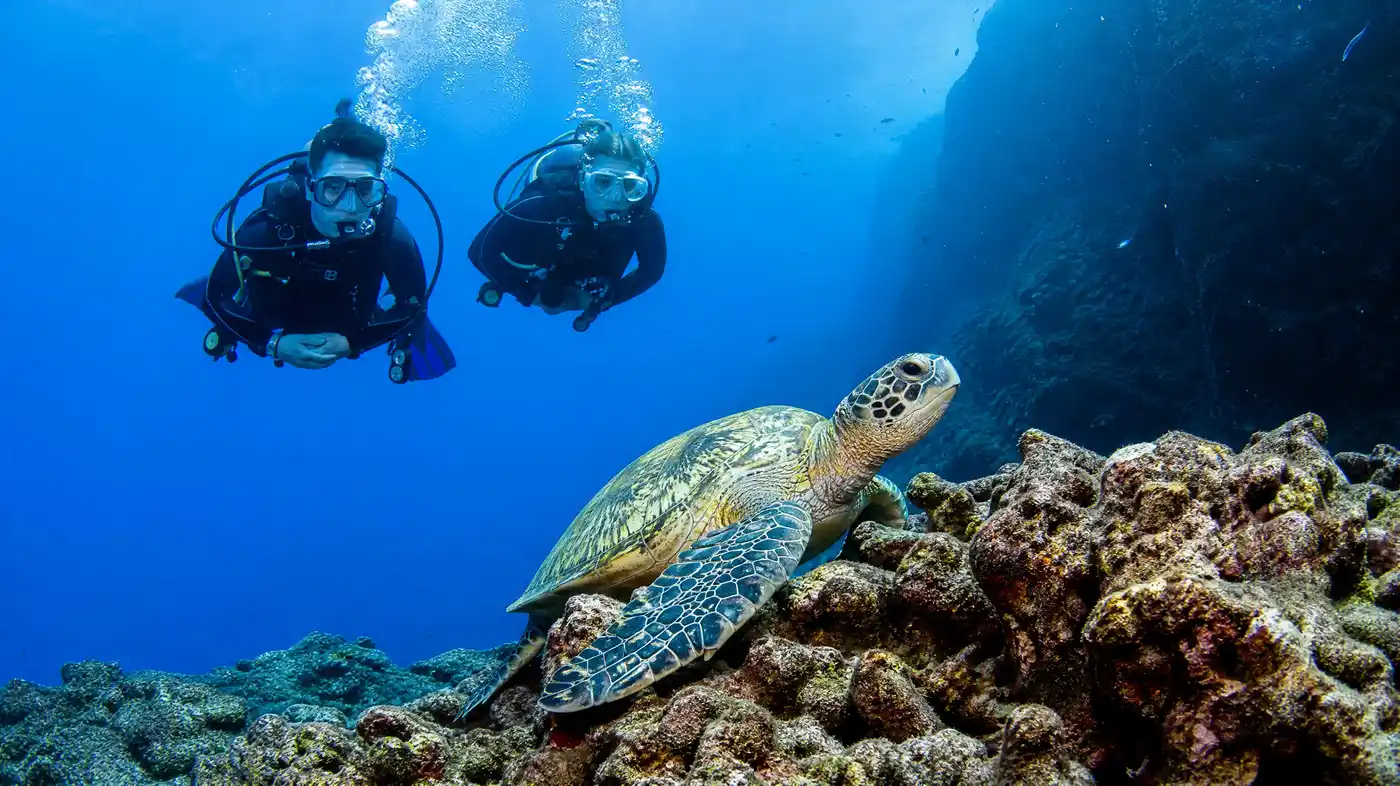
Beginner's Guide to Scuba Diving in Tenerife
Discover how to try scuba diving Tenerife for beginners. Practical advice on costs, water temperatures, gear, top calm …
Continue Reading →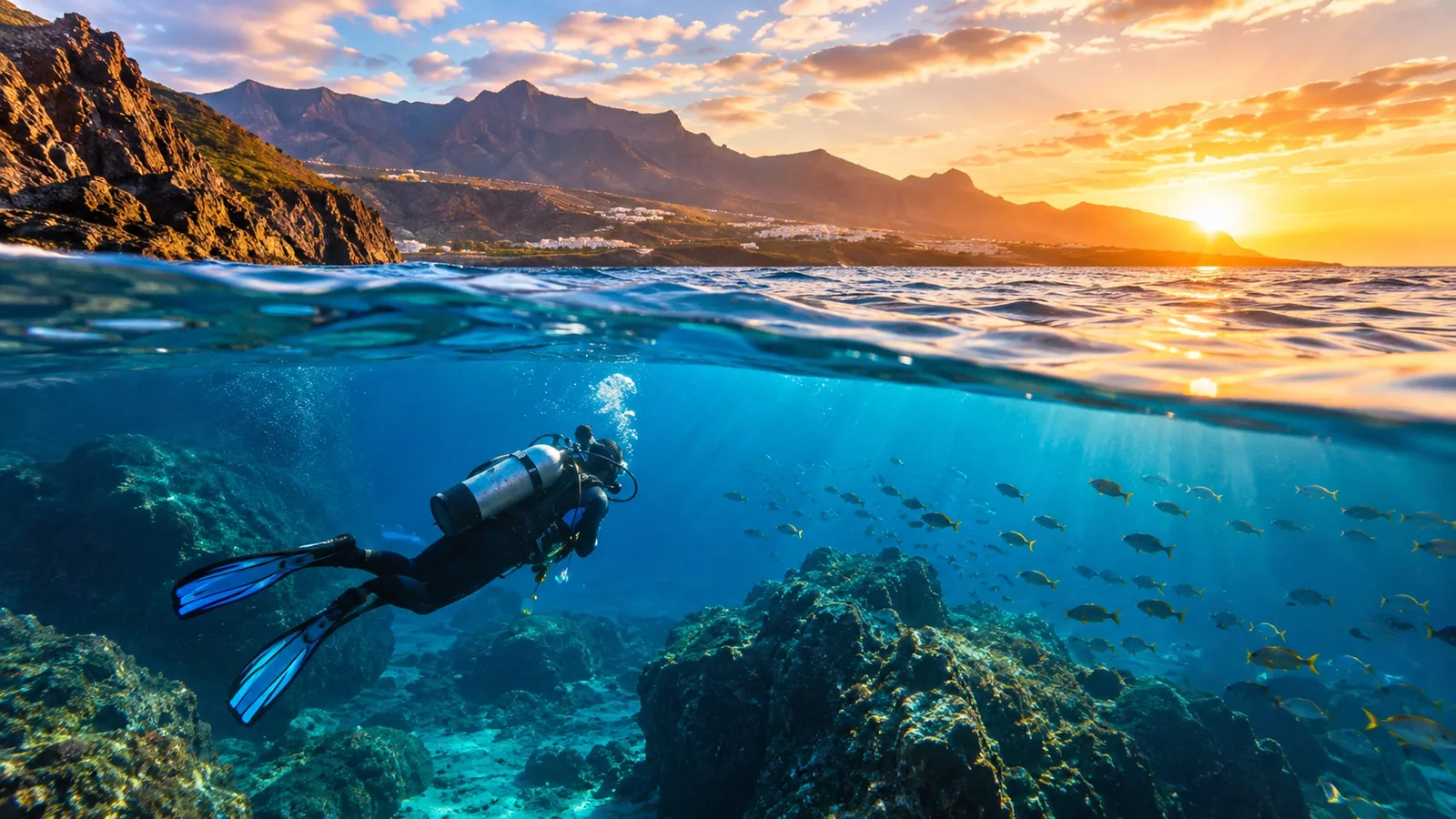
Plan your trip to scuba dive Tenerife with real bottom times, current conditions, and honest gear notes across 57 coastal sites.
Discover what makes scuba diving tenerife unforgettable.
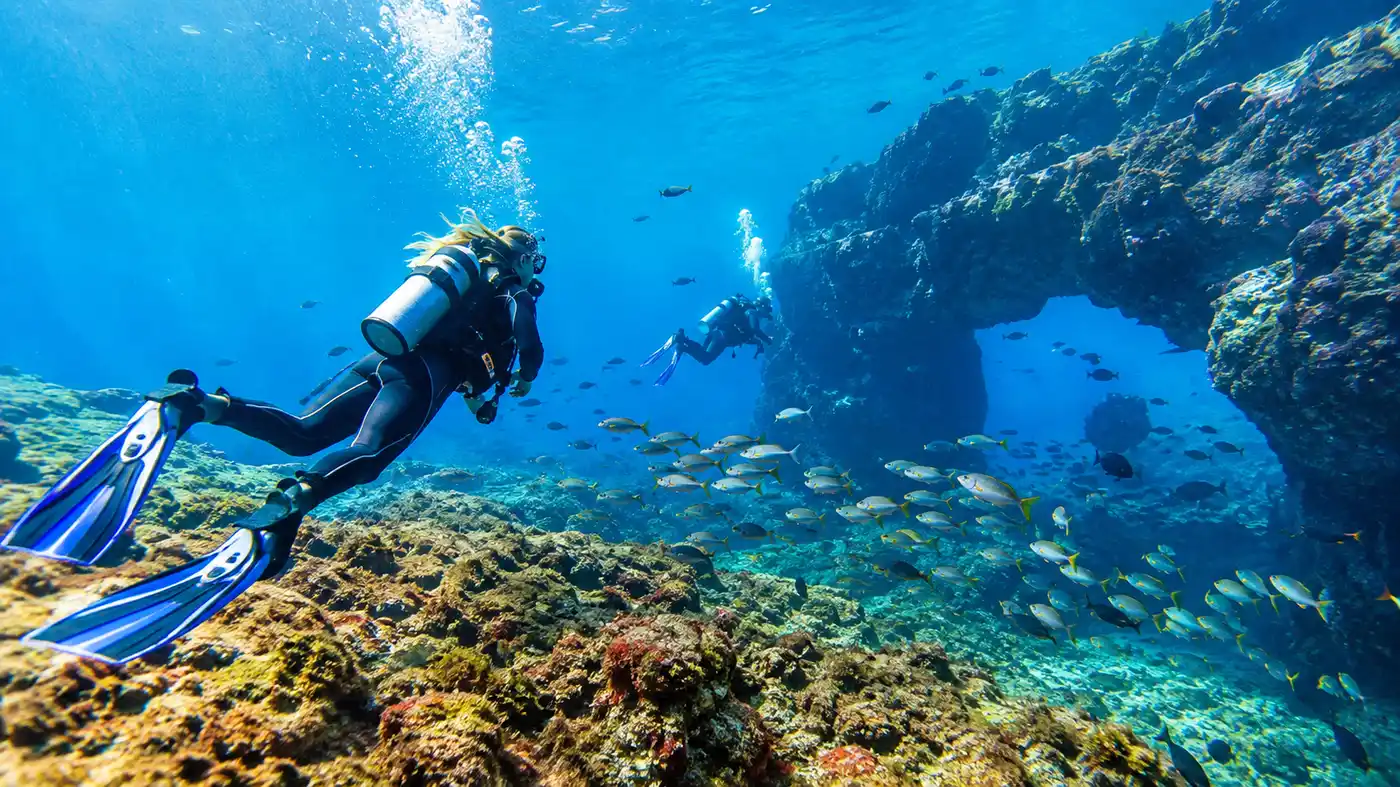
Basalt arches at Montana Amarilla and sunken lava fingers near Los Silos provide dramatic swim-throughs. Sunlight pierces through narrow overhead fissures, lighting up schools of Canary damsels and glass-eyes.
Learn more →
Protected bays in Abades and Radazul offer gradual entries over soft sand without surf battles. Shallow flats sitting at 6 meters make initial buoyancy practice and skill refreshers calm and unhurried.
Learn more →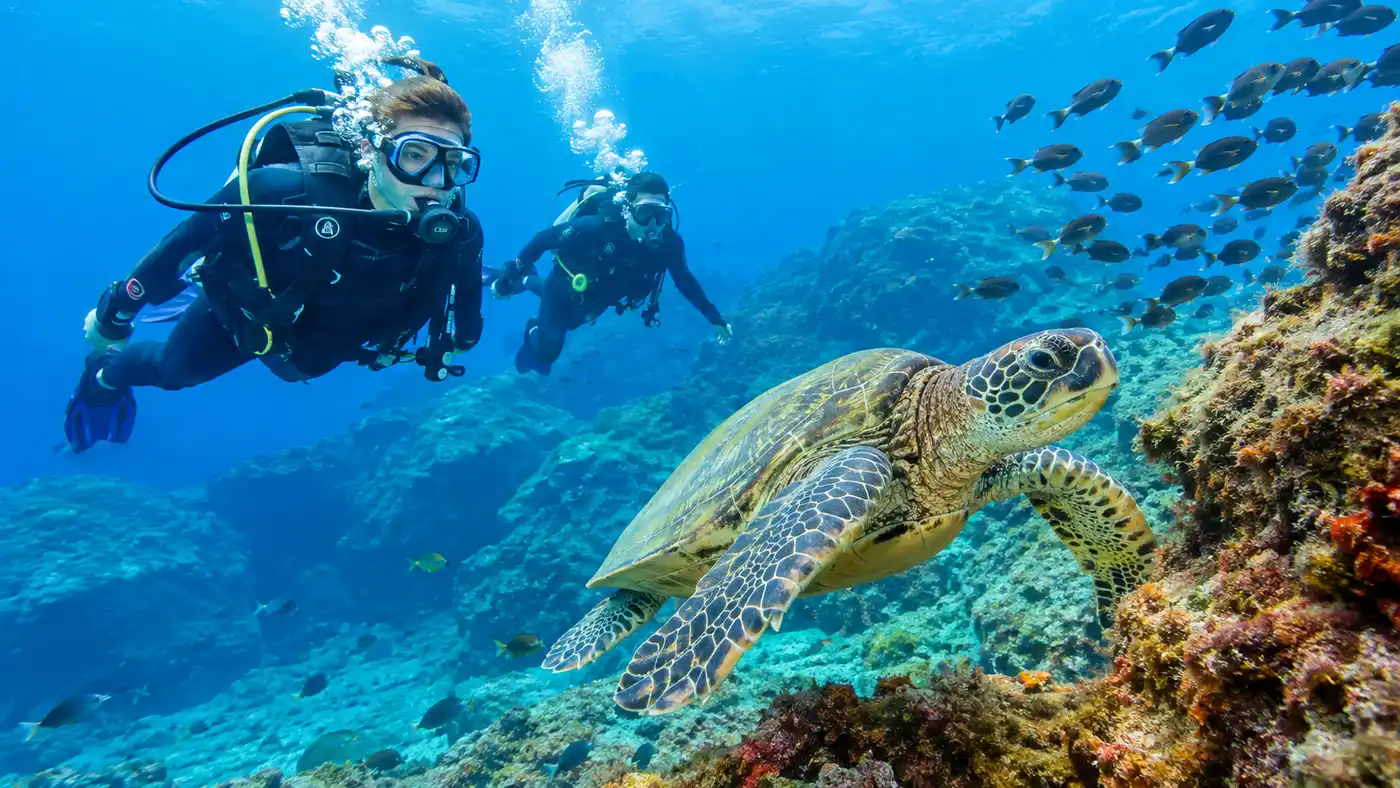
Most bases bundle 12-liter or 15-liter steel cylinders, weights, and transport into simple multiday passes. Picking up a six-dive pack drops the single tank cost down to roughly 37 euros per immersion.
Learn more →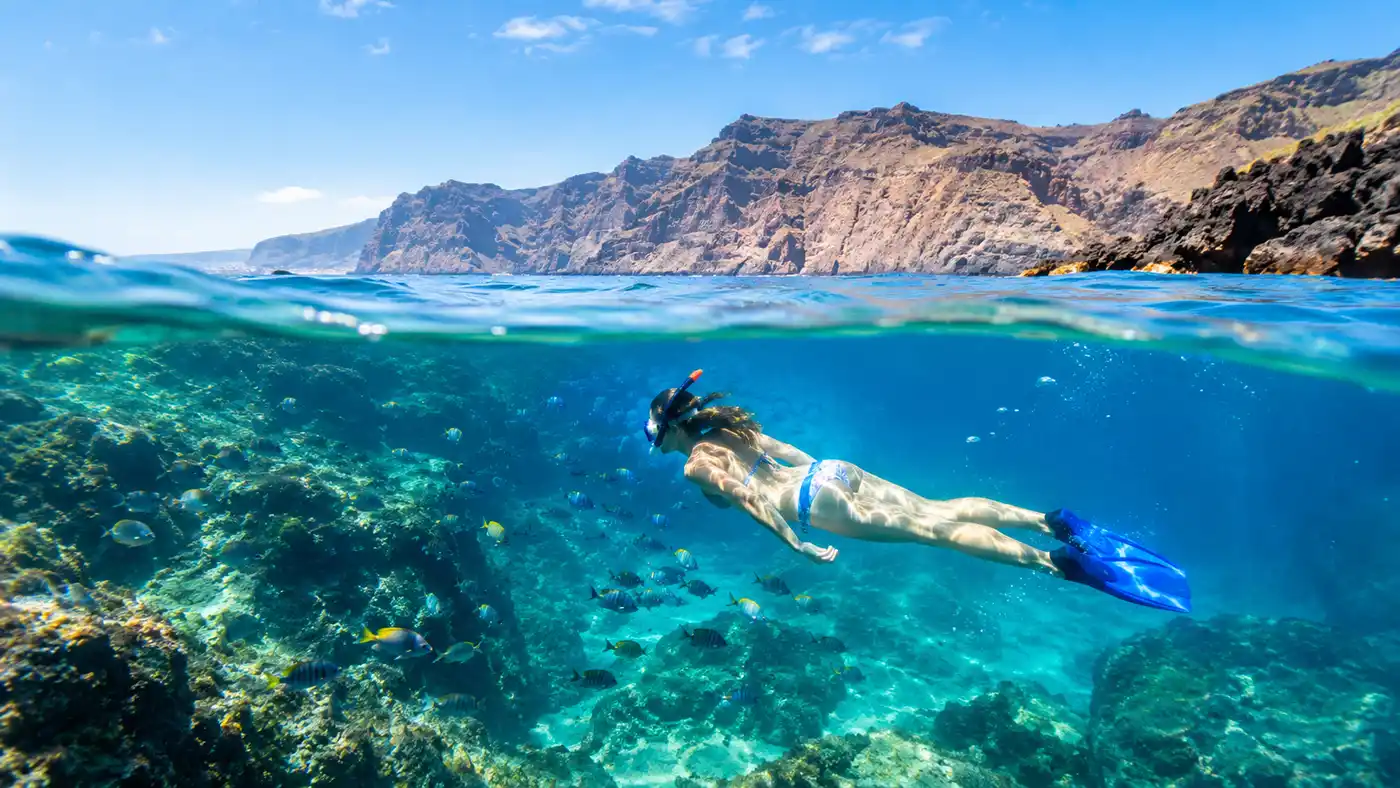
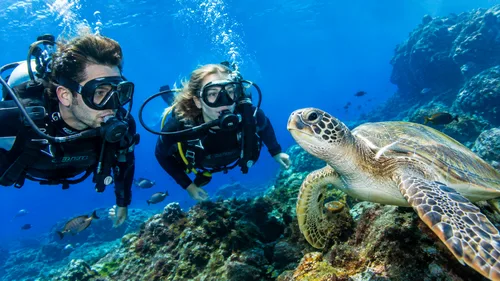
Protected inlets near El Puertito let swimmers spot green turtles and juvenile rays in 5 meters of crystal water. Rocky reefs just off the sand house cuttlefish, arrow crabs, and bright red starfish.
Learn more →What to expect from arrival to departure.
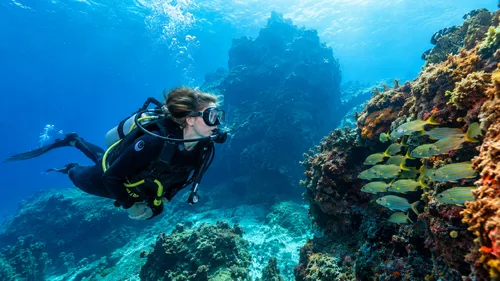
Stay near Los Cristianos or Las Galletas for quick boat departures, or base in Radazul for deep eastern shore walls.
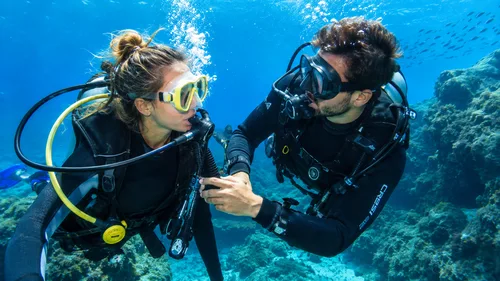
Present your certification card, recent logbook entries, and proof of diver liability insurance at the dive shop desk.
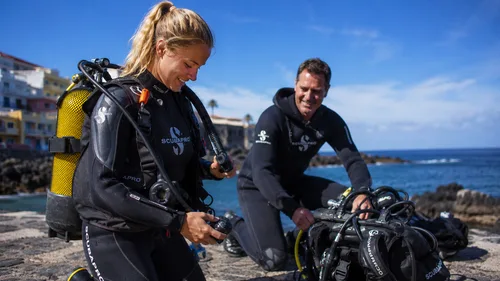
Pick up a 5mm or 7mm wetsuit, test your regulator stage, and calibrate your lead weight before heading to the harbor slip.
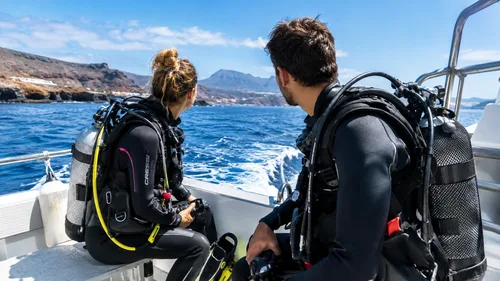
Board a rigid inflatable boat for a 12-minute run along the coastline or step down concrete sea steps into a calm cove.
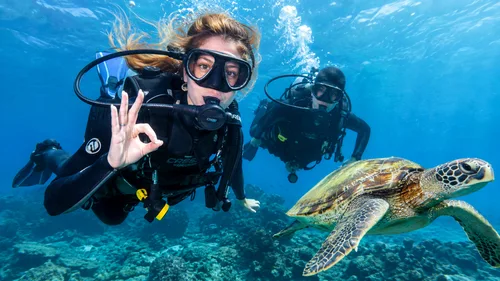
Spend 45 minutes hovering along black rock plateaus, keeping eyes peeled for angel sharks resting in gravel patches.
Rinse your computer in fresh water basins, log maximum depths over a coffee at the pier cafe, and plan the next morning.
The Atlantic waters around the island drop quickly into deep basalt shelves, creating sheltered bays in the south and dramatic drop-offs along the northern shores. Diving in Tenerife gives you black-sand valleys, volcanic swim-throughs, and regular visits from angel sharks and roughtail stingrays that cruise the sandy edges between Los Gigantes and Las Galletas. Water temperatures hover around 19°C in February and climb to 24°C by September, so a standard 5 mm or 7 mm suit works throughout the entire calendar.
Conditions vary depending on coastal orientation. Down in Costa Adeje and Radazul, calm entries allow easy shore access for beginners learning Tenerife scuba fundamentals. Further west, zodiac runs push into open water where pelagic currents bring loggerhead turtles, barracuda schools, and large Atlantic groupers resting inside basalt caverns.
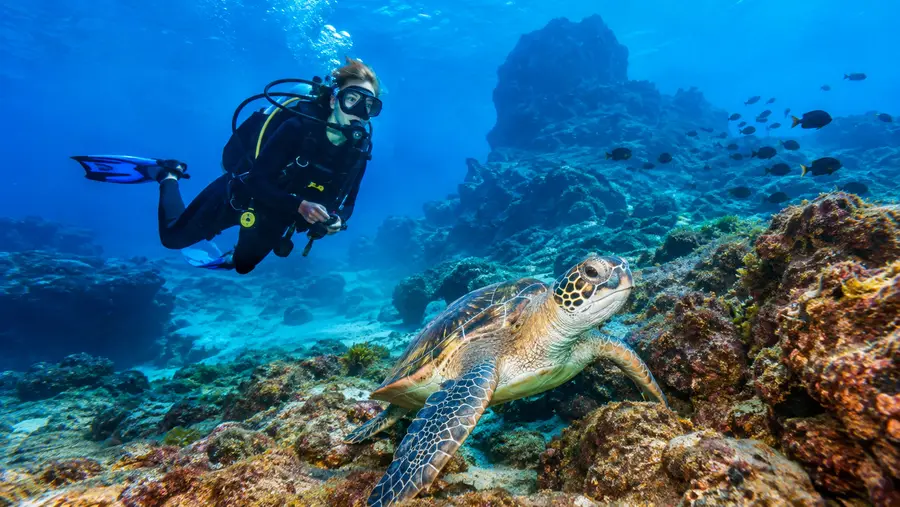
Dove Montana Amarilla twice this week. We floated right over three huge round stingrays resting in the volcanic sand at 18 meters.
Radazul wall was fantastic. Walked down the ramp, dropped to 25 meters within two minutes, and watched garden eels swaying everywhere.
Water was 20°C in April so my 5mm suit felt slightly chilly on the second dive. Marine life and volcanic swim-throughs made it well worth it.
Las Galletas boat trip was seamless. Saw an angel shark camouflaged right near the anchor line on our very first descent.
Compare options and book directly below.
Includes 12L cylinder, lead weights, site transfer from dive base, and an experienced local guide.
Covers two distinct offshore reef sites by RIB skiff, air fills, weights, and light surface interval snacks.
Includes all classroom materials, shallow skills training, 4 ocean dives, full kit rental, and logbook sign-off.
Everything you need to know before visiting scuba diving tenerife.
Hours: Dive shops open between 08:15 and 18:30. Morning boat departures cast off at 09:00 with afternoon slots around 13:45.
| Single Shore Dive (Per diver / guided) | €42 |
| Two-Tank Boat Trip (Morning session) | €89 |
| Open Water Course (3-day full certification) | €395 |
📍
See it before you go.
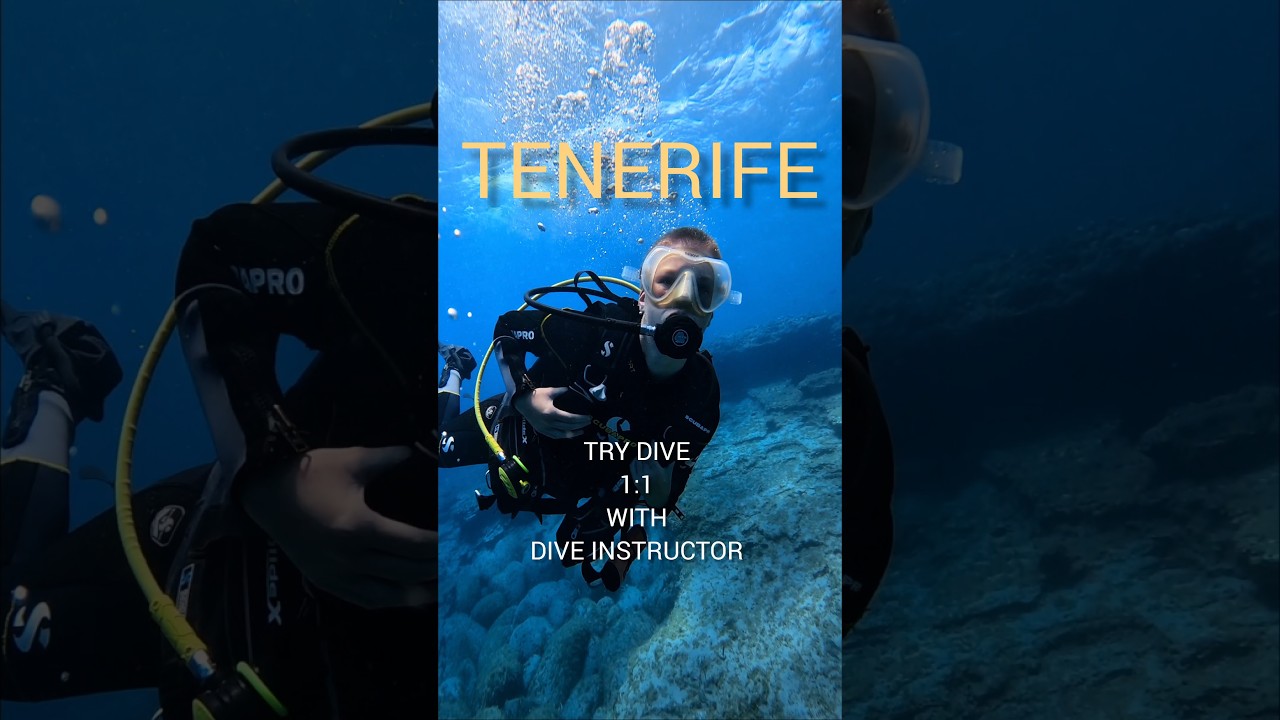
Worth combining with your scuba diving tenerife visit.
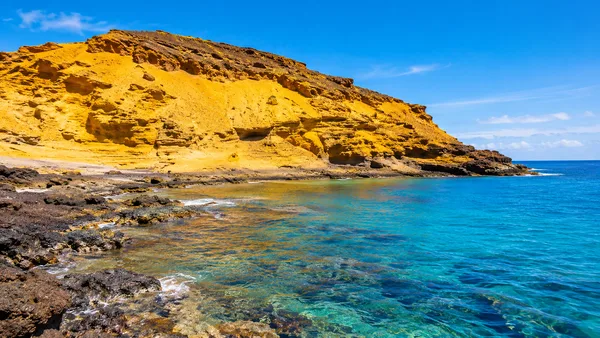
Striking yellow volcanic ash cone with terraced stone shelves and vibrant shallow reef life.
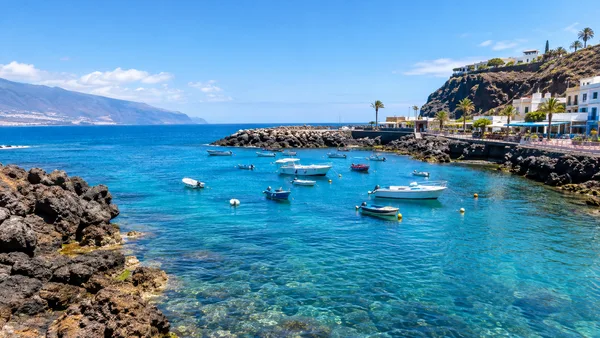
Quiet cove with traditional fishing boats, a small sand strip, and regular sea turtle sightings.
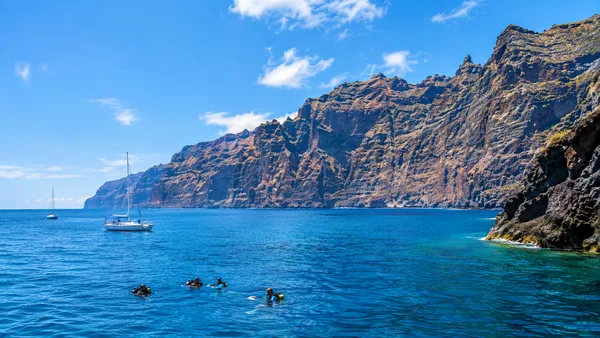
Colossal rock walls rising 500 meters from the ocean, sheltering deep vertical seamounts beneath.
Scuba Diving Tenerife welcomes all visitors with accessibility features and family-friendly amenities.
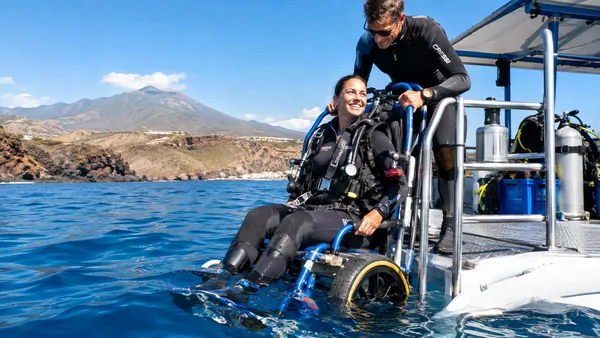
Modern marinas at Puerto Colon and Radazul have ramped pontoon access, though rugged coastal shore entries require specialized beach transfer buggies.
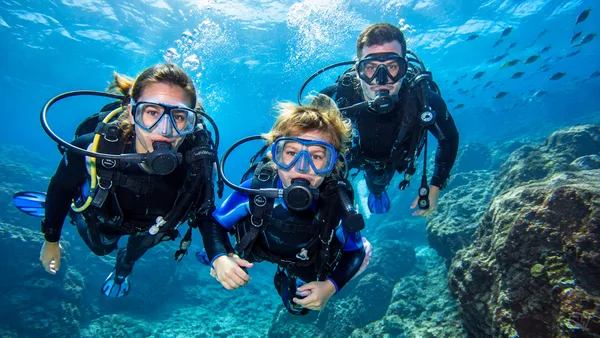
Calm spots like Abades let non-diving family members sunbathe or snorkel across clear shallow reefs while divers explore deeper waters.
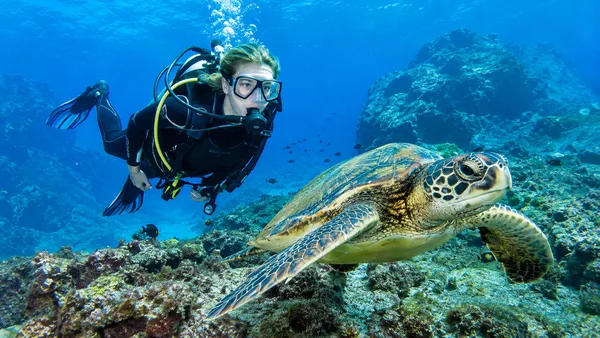
Most coastal dive operations employ guides speaking English, Spanish, German, and French to brief safety steps clearly.
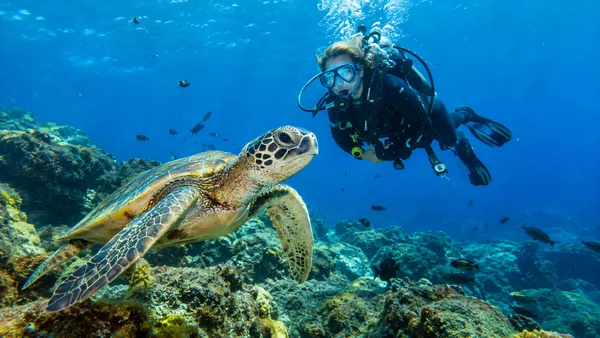
The TF-1 motorway runs alongside the coast, keeping the drive between dive shops and boat marinas under 25 minutes.
Dive deeper into scuba diving tenerife.
Discover how to try scuba diving Tenerife for beginners. Practical advice on costs, water temperatures, gear, top calm …
Continue Reading →
Discover the best spots for snorkeling Tenerife. From swimming with sea turtles in Alcalá to volcanic reefs in Abades, …
Continue Reading →
Discover scuba diving in Tenerife South: top dive sites, stingray encounters, water temps, and best schools in Las …
Continue Reading →
Realistic scuba diving tenerife prices, school reviews, and package costs. Compare boat rates, gear rental fees, and …
Continue Reading →Common questions about scuba diving tenerife.
Autumn is the standout period. Between September and late November, the Atlantic warms up to 23°C or 24°C and trade winds settle down. Visibility often hits 30 meters. Winter diving is still very viable, with water around 19°C and plenty of angel sharks gathering on the sand.
Scuba Point diving Tenerife operates out of the southern coast, running trips around Las Galletas and nearby marine parks. Like many established outfits on the island, they cater to certified divers looking for guided reef dives and newcomers wanting try-dives in calm water.
People typing goo diving are almost always looking for good diving hubs along the southern shelf. The best spots for clear water and varied marine life are Radazul, Las Galletas, and Playa San Juan, all protected from dominant northern swells.
Spanish law requires every active diver to carry specific dive accident insurance. If your personal travel policy does not include diving, centers sell day policies for about 7 euros or weekly passes for 18 euros. You must also complete a standard RSTC medical statement.
Yes. Sheltered bays like Radazul and Abades have zero shore surge on calm mornings. A Discover Scuba session lets you walk right into waist-deep water to get used to breathing on a regulator before slowly swimming down to 6 or 8 meters.
Tenerife features much steeper underwater drop-offs and larger volcanic caverns than Gran Canaria, which has more sandy flats. Lanzarote has the famous underwater sculpture museum, but Tenerife offers greater variety in stingray species and more protected south-facing dive bays.
Expect to spend about 4 hours in total. Meeting time is usually 08:30 for kit sizing and briefing, followed by a 15-minute boat run, two 45-minute dives separated by an hour surface interval, and kit rinse back at base by 13:00.
Check local dive center schedules, monitor weekly swell forecasts, and pick the right base for your next underwater adventure.